A curly burst fade works best when the fade shape and retained length are planned around how your curls sit naturally.
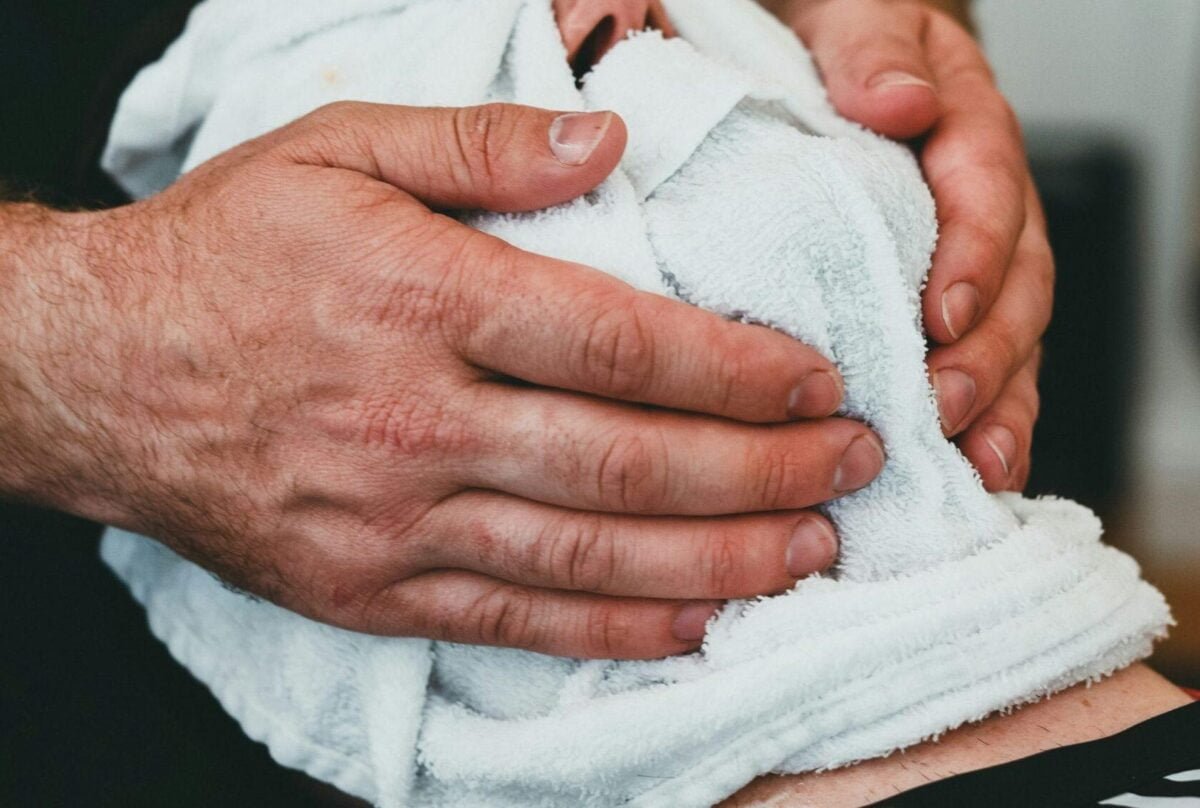

A curly burst fade works best when the fade shape and retained length are planned around how your curls sit naturally.

A burst fade curves around the ear while retaining a different outline at the back. A clear reference and an agreed finish help a barber interpret the style.
Clarify whether you want a subtle taper at the edges or a more pronounced burst-shaped fade, because haircut labels are used differently.

A beard fade blends facial-hair lengths near the sideburns. The neckline and overall beard shape still need a separate discussion.
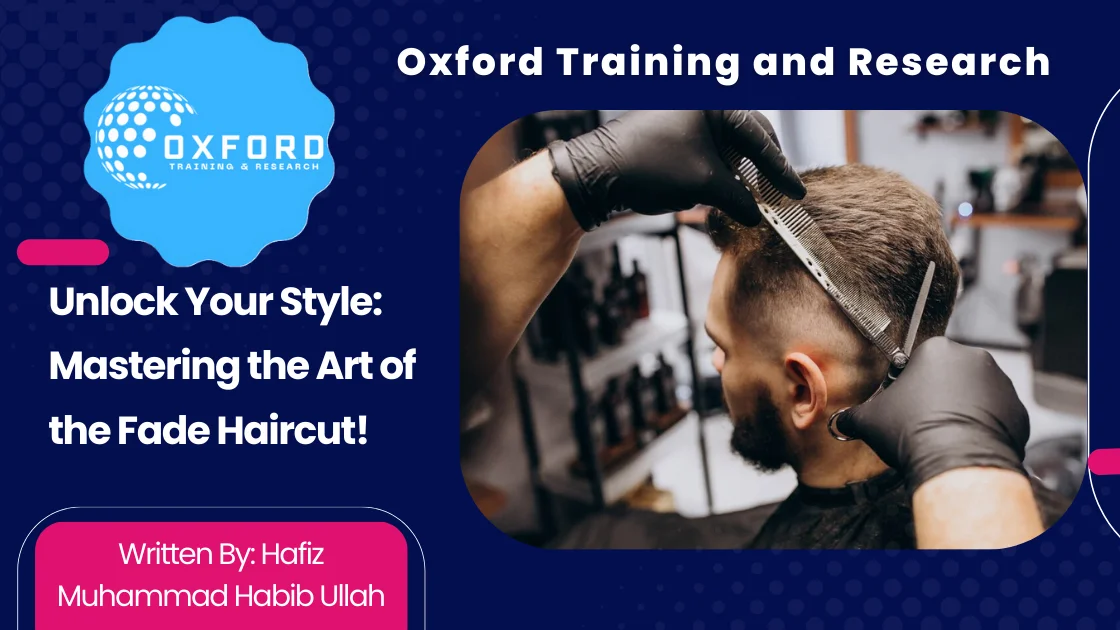
Fade height, skin exposure and the shape at the back are separate choices. Explain each rather than relying on a single haircut name.
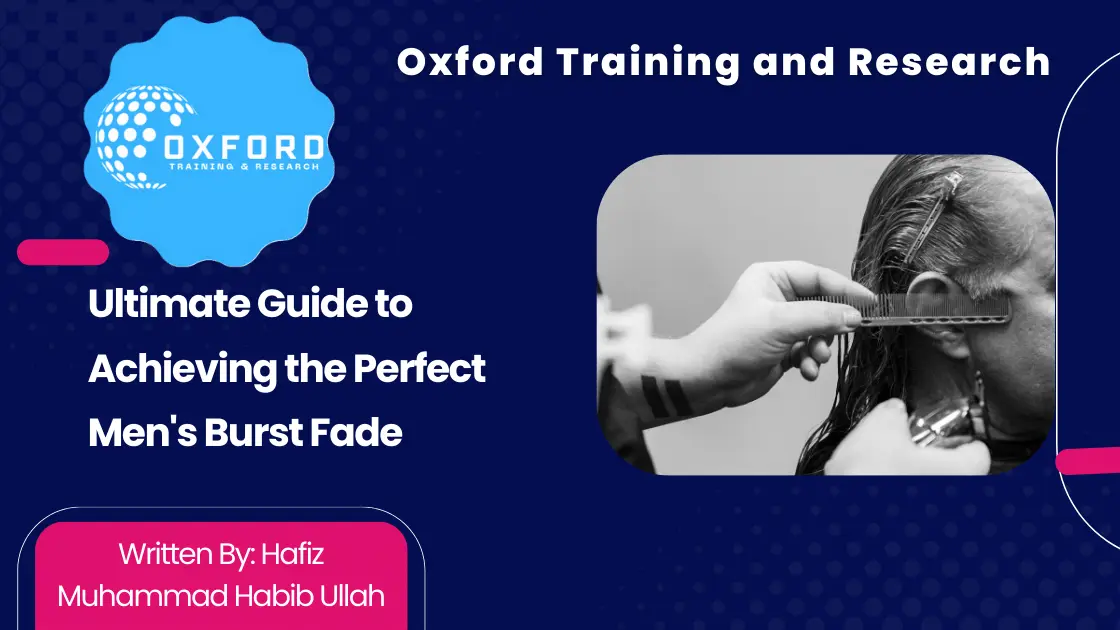
The best version of a burst fade for you depends on hair texture, preferred length and the time you want to spend styling it.
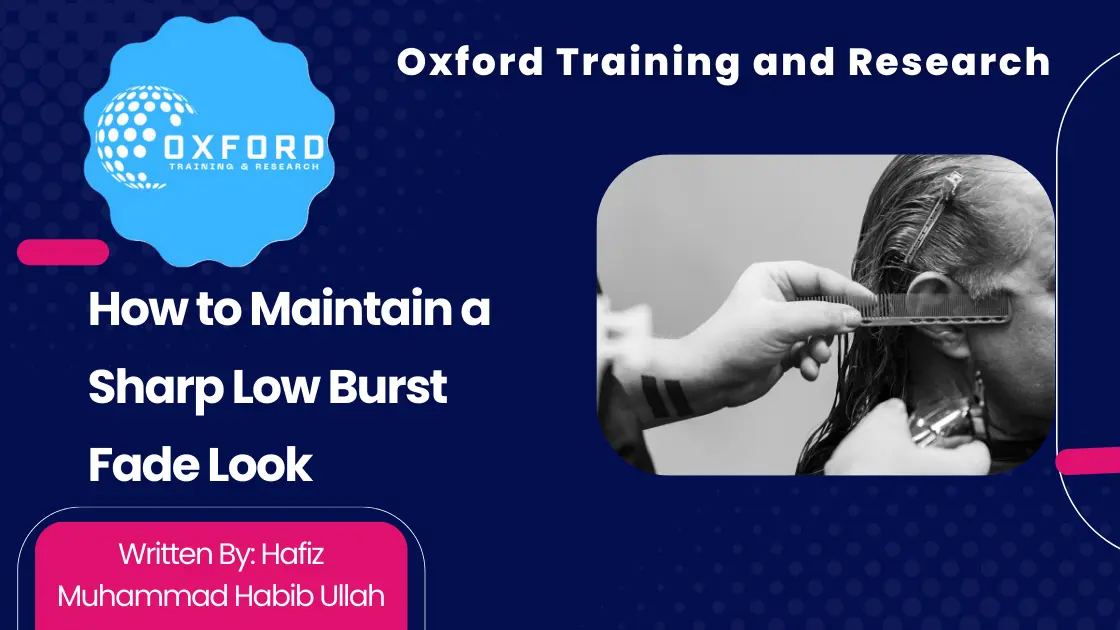
A low burst fade keeps the transition lower around the ear. Preserve the intended outline instead of attempting major blending changes at home.
A V-shaped neckline adds a distinct back outline to a burst fade. Decide how sharp and high the point should be before the cut.

Use a consultation to settle the outline, transition and retained length before cutting begins.