Check the manufacturer’s current information and seller identity before buying supplements. Authenticity does not establish that a product is appropriate for you.


Check the manufacturer’s current information and seller identity before buying supplements. Authenticity does not establish that a product is appropriate for you.

Online study can support first-aid learning, but recognition and practical assessment depend on the course, certifier and purpose.
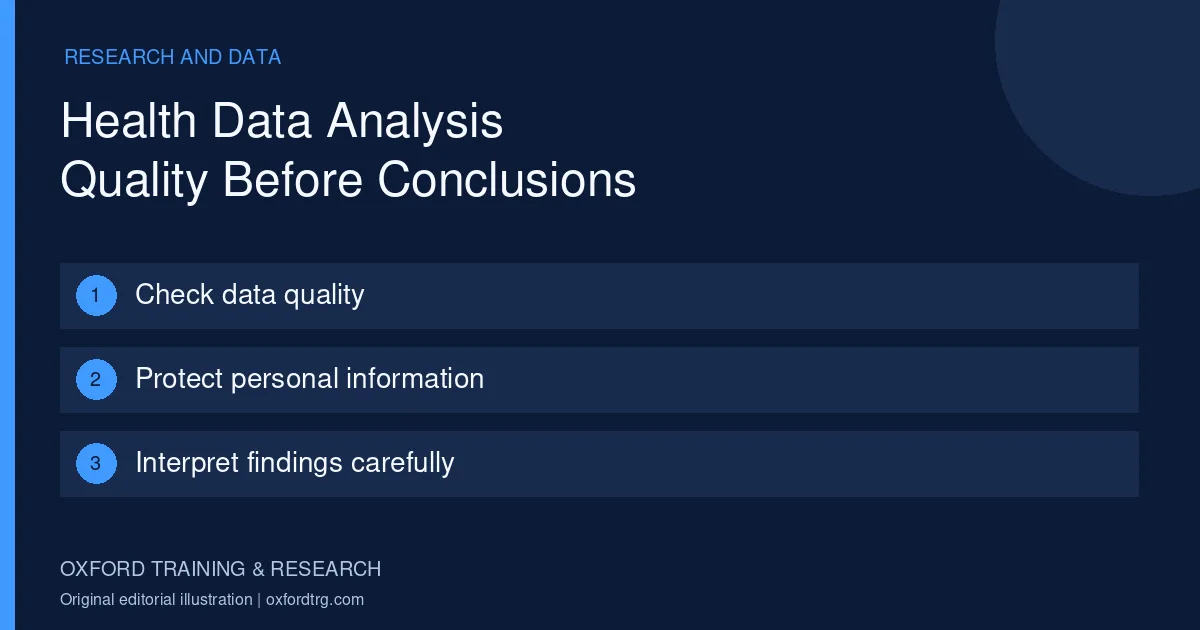
Health datasets need careful definitions, privacy controls and domain expertise. A statistical association is not automatically a clinical conclusion.

Guardianship rules depend on jurisdiction, and a mental-health diagnosis alone does not establish a person’s legal decision-making capacity.

Training labels overlap. A useful comparison starts with your goals, current capacity and the specific movements in a programme.

Focus on manageable routines that support wellbeing rather than promises of rapid transformation or treatment.

Verify the exact company, product and location behind a supplement search term. A familiar brand name does not prove that a seller or health claim is reliable.

Residential care is one possible part of a support plan. A qualified mental-health team should help assess needs, alternatives and the person’s preferences.

Use verified credentials, a clear treatment explanation and a written estimate to evaluate care rather than relying on promotional claims.

Stress and depression can overlap, but they are not interchangeable. Persistent symptoms or difficulty functioning deserve attention from a qualified professional.
Public conversations can reduce stigma, but celebrity stories cannot diagnose depression or establish what treatment another person needs.